


Many people feel self-conscious about their smile, even when the problems are relatively small. Minor imperfections such as small gaps, chipped edges, or slightly uneven teeth can make patients hesitant to smile in photos or speak confidently in social settings.
Fortunately, modern cosmetic dentistry offers simple solutions that do not require major procedures. One of the easiest and most conservative ways to enhance your smile is through aesthetic bonding, also known as composite bonding.
At Organ Mountain Dental, many patients choose composite bonding because it provides noticeable improvements without removing healthy tooth structure. This makes it an excellent option for patients who want a more attractive smile without invasive treatment.
Understanding how aesthetic bonding works and what it can correct can help you decide whether this treatment is right for your goals.
What Is Aesthetic Bonding?
Aesthetic bonding is a cosmetic dental procedure that uses tooth-colored composite resin to improve the shape, size, or appearance of teeth.
The same material used for white fillings is carefully sculpted onto the front surface of the teeth. Once applied, the material is shaped, hardened with a special light, and polished to match the natural shine of surrounding teeth.
One of the biggest advantages of bonding is that it typically requires little to no removal of natural tooth structure.
This conservative approach helps preserve the strength and health of your teeth.
What Smile Imperfections Can Bonding Fix?
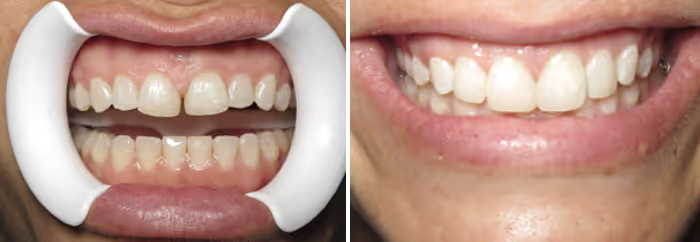
Composite bonding is especially effective for correcting minor cosmetic concerns.
Common issues treated with bonding include:
- Small gaps between teeth
- Slightly rotated teeth
- Chipped or cracked teeth
- Worn edges
- Uneven tooth shapes
- Minor discoloration
- Short or misshapen teeth
Many patients are surprised at how dramatic the results can be, even with small changes.
Bonding is often ideal for front teeth, where appearance matters most.
A Simple and Non-Invasive Treatment Option
One of the reasons patients love composite bonding is its simplicity.
Unlike crowns or veneers, bonding typically does not require grinding down healthy teeth. This makes the procedure less invasive and more comfortable.
In most cases, bonding can be completed in a single appointment without the need for temporary restorations.
This means:
- No multiple visits
- No temporary teeth
- Minimal preparation
- Faster results
For busy patients, this convenience makes bonding a very appealing option.
How the Composite Bonding Process Works
The bonding process is straightforward and usually completed in less than a few hours.
Step 1: Tooth Preparation
The surface of the tooth is gently prepared to allow the bonding material to attach securely.
This preparation is minimal compared to other cosmetic treatments.
Step 2: Applying the Composite Material
A tooth-colored resin is applied to the tooth surface.
The dentist carefully sculpts the material to achieve the desired shape and contour.
This artistic step plays a major role in achieving natural-looking results.
Step 3: Hardening the Material
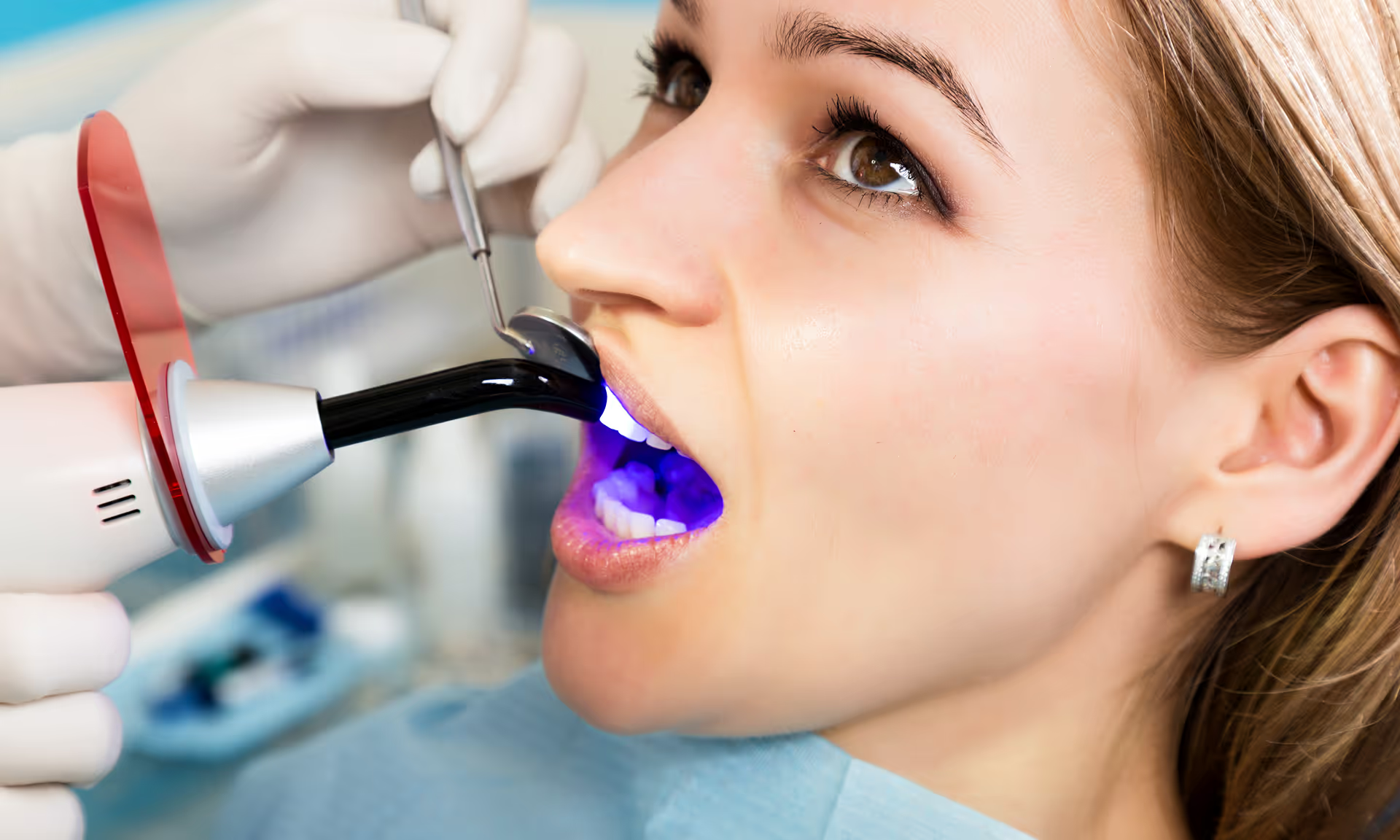
A special curing light is used to harden the composite material.
This step bonds the material securely to the tooth.
Step 4: Polishing and Finishing
Once hardened, the bonded tooth is polished to match the shine and texture of natural enamel.
The final result blends seamlessly with surrounding teeth.
Composite Bonding vs Porcelain Veneers
Many patients compare bonding to porcelain veneers when considering cosmetic improvements.
While both options enhance smiles, they differ in several important ways.
Advantages of Composite Bonding
Bonding offers several benefits that make it attractive for many patients:
- Minimal removal of tooth structure
- Completed in one visit
- Lower cost than veneers
- Easy to repair if damaged
- Conservative treatment approach
These advantages make bonding a great choice for patients seeking noticeable improvements without extensive treatment.
Advantages of Porcelain Veneers
Porcelain veneers provide highly refined results and may be recommended for patients seeking maximum cosmetic transformation.
Benefits of veneers include:
- Exceptional stain resistance
- Highly polished, natural appearance
- Long-lasting durability
- Ideal for dramatic smile makeovers
However, veneers usually require removing more tooth structure and often involve multiple visits.
Durability of Composite Bonding
Composite bonding is strong and reliable when properly maintained.
Although not as hard as porcelain, bonding holds up well under normal use.
Over time, bonded areas may require:
- Polishing
- Minor reshaping
- Small repairs
One major advantage of bonding is that repairs are usually simple and do not require full replacement.
This flexibility makes bonding a cost-effective long-term option.
Maintaining Your Bonded Teeth
Taking care of bonded teeth is similar to caring for natural teeth.
Recommended maintenance includes:
- Brushing twice daily
- Flossing regularly
- Avoiding biting hard objects
- Visiting your dentist regularly
Bonding material can stain over time, so limiting highly pigmented foods and beverages may help maintain its appearance.
Examples include:
- Coffee
- Tea
- Red wine
- Dark sauces
Regular dental cleanings help keep bonded teeth looking their best.
Who Is a Good Candidate for Aesthetic Bonding?
Composite bonding works best for patients with minor cosmetic concerns.
You may be a good candidate if you:
- Have small gaps between teeth
- Have chipped or worn teeth
- Want cosmetic improvements without invasive treatment
- Prefer a more affordable alternative to veneers
- Have generally healthy teeth and gums
Patients seeking dramatic changes in color or alignment may benefit more from other cosmetic options.
A dental consultation helps determine the best approach for each individual.
Cost Considerations: Why Bonding Is Often More Affordable
Composite bonding is typically less expensive than porcelain veneers.
This makes it a popular choice for patients who want visible improvements without significant financial investment.
Because bonding requires fewer materials and less laboratory work, costs are usually lower.
Additionally, the ability to repair bonding instead of replacing it helps reduce long-term expenses.
When Bonding May Not Be the Best Option
While bonding is versatile, it may not be ideal for every situation.
Alternative treatments may be recommended if:
- Teeth are severely misaligned
- Extensive discoloration is present
- Large structural damage exists
- Bite problems require correction
In these cases, porcelain veneers or orthodontic treatment may provide better long-term results.
Final Thoughts: A Small Change Can Make a Big Difference
Aesthetic bonding is one of the simplest ways to transform your smile without major dental work.
For many patients, small improvements lead to noticeable confidence gains and greater comfort when smiling or speaking.
Because bonding is conservative, affordable, and efficient, it remains one of the most popular cosmetic dentistry treatments available today.
Patients at Organ Mountain Dental often discover that composite bonding provides an ideal balance between simplicity and noticeable results.





.png)

