


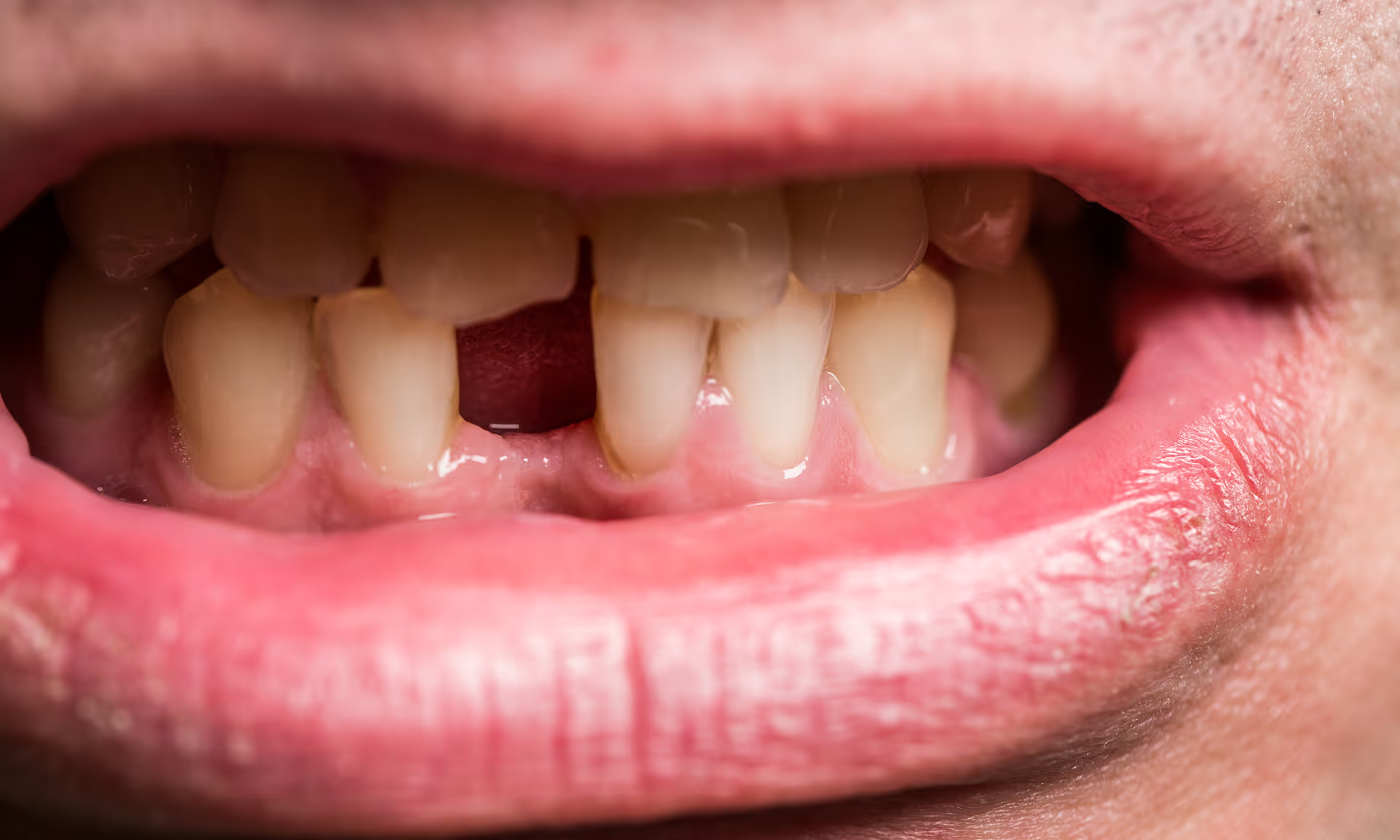
Missing teeth are more common than many people realize. Adults lose teeth for many reasons, including fractures, infections, tooth decay, and gum disease. While losing a tooth may feel like a cosmetic concern at first, the long-term effects can impact your oral health, comfort, and overall quality of life.
At Organ Mountain Dental, replacing missing teeth is one of the most important steps patients can take to protect their smiles and maintain proper function. Dental implants offer a reliable, long-lasting solution that closely mimics the natural structure of a tooth.
Understanding why missing teeth should be replaced and how implants work can help you make informed decisions about your oral health.
Why Teeth Are Lost in the First Place
Tooth loss can occur for several different reasons, and many adults experience tooth loss at some point in their lives.
Some of the most common causes include:
- Severe tooth decay
- Gum disease (periodontal disease)
- Tooth fractures
- Dental infections
- Trauma or injury
- Failed dental restorations
Regardless of the cause, losing a tooth creates an empty space that can lead to additional problems if not addressed.
What Happens After a Tooth Is Extracted?
When a tooth is removed, it leaves behind an empty socket in the jawbone. This socket needs time to heal, but healing does not mean the area returns to its original strength.
If the space is left untreated, the bone surrounding the missing tooth often begins to shrink.
This process is called bone resorption, and it can significantly change the shape of the jaw over time.
Bone Loss After Tooth Removal
Bone loss is one of the most important reasons to replace missing teeth promptly.
Without the stimulation provided by a tooth root, the jawbone begins to deteriorate. Over time, this may cause:
- A sunken appearance in the face
- Changes in facial structure
- Weakening of nearby teeth
- Difficulty placing future dental restorations
In many cases, bone shrinkage can be reduced or prevented with a simple bone graft performed at the time of tooth extraction.
Bone grafting is a routine and minimally invasive procedure that helps preserve the shape of the jaw and supports future implant placement.
Teeth Can Shift Into the Empty Space
When a tooth is missing, nearby teeth often begin to drift or tilt into the open space.
This movement may seem minor at first, but it can lead to serious alignment problems over time.
Common issues caused by tooth movement include:
- Bite misalignment
- Uneven tooth wear
- Increased risk of cavities
- Difficulty cleaning between teeth
- Gum inflammation
Misaligned teeth create areas that are harder to clean, which increases the likelihood of plaque buildup and gum disease.
Replacing missing teeth helps maintain proper alignment and protects surrounding teeth.
What Are Dental Implants?
One of the most advanced solutions in modern dentistry is the dental implant.
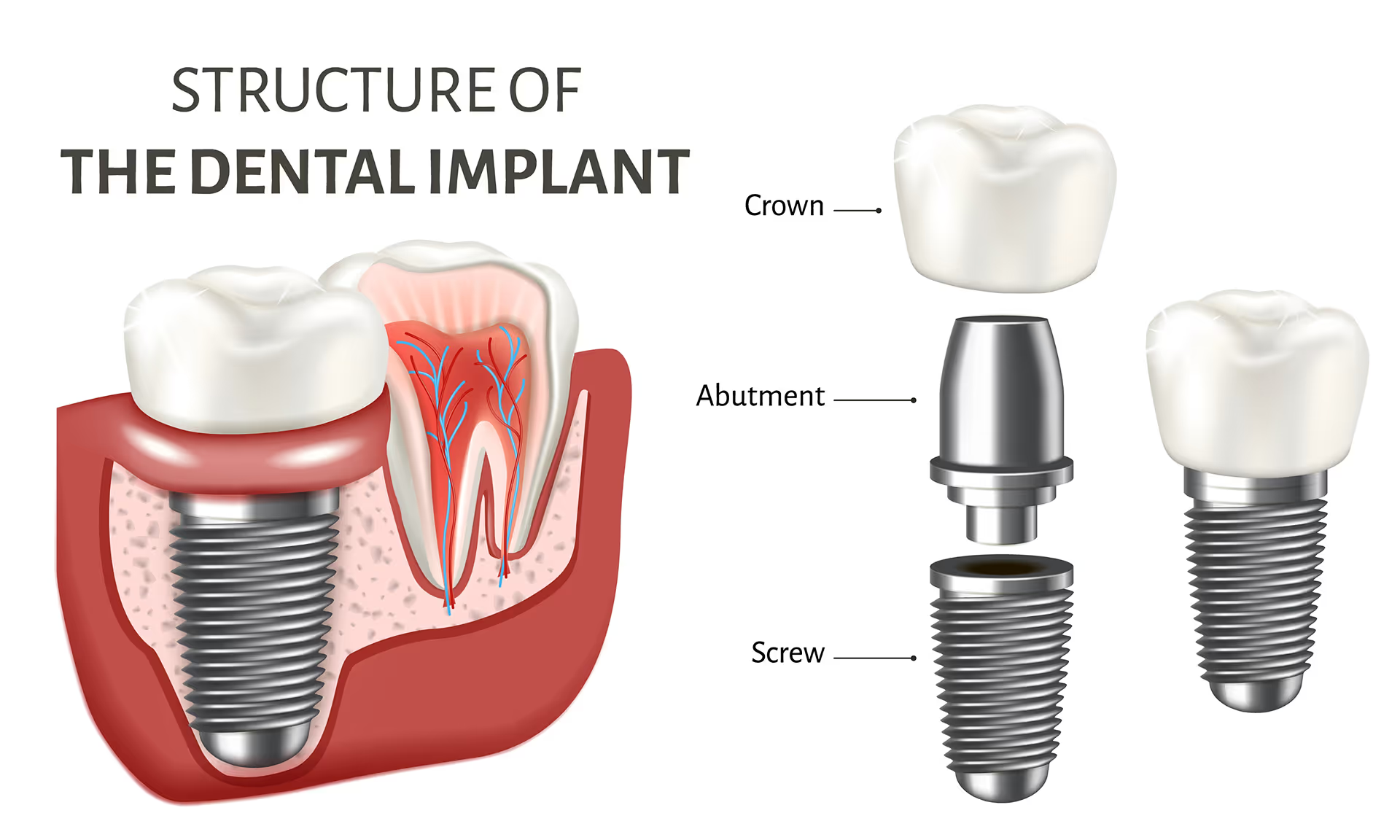
Dental implants are designed to replace the root of a missing tooth. They are typically made from titanium, a material that safely integrates with bone.
Once placed into the jawbone, the implant acts as a stable foundation for a replacement tooth.
A complete implant restoration usually includes:
- The implant (artificial root)
- The abutment (connector piece)
- The crown (visible tooth replacement)
Together, these components restore both the function and appearance of a natural tooth.
How Dental Implants Restore Function
When a tooth is missing, the remaining teeth must work harder to compensate.
This extra workload increases stress on surrounding teeth and may lead to accelerated wear or damage.
Dental implants help restore balance by distributing chewing forces evenly throughout the mouth.
Benefits of restored function include:
- More comfortable chewing
- Improved bite strength
- Reduced stress on nearby teeth
- Better long-term dental stability
Many patients notice a significant improvement in their ability to eat a wide variety of foods once their implant restoration is complete.
Improved Digestion Through Better Chewing
Proper chewing plays an important role in digestion.
When teeth are missing, food may not be broken down effectively before reaching the stomach. This can lead to digestive discomfort and reduced nutrient absorption.
Replacing missing teeth with implants allows patients to chew thoroughly, which supports healthier digestion and overall wellness.
Dental Implants Help Preserve Jawbone Health
Unlike traditional tooth replacement options, dental implants stimulate the jawbone in a way that closely resembles natural tooth roots.
This stimulation helps maintain bone density and prevents shrinkage.
Benefits of bone preservation include:
- Maintaining natural facial shape
- Preventing premature aging appearance
- Supporting long-term oral stability
- Preserving surrounding teeth
For many patients, bone preservation is one of the most valuable long-term advantages of implants.
A Natural Appearance and Improved Confidence
Missing teeth can affect more than physical function. They can also impact confidence and self-esteem.
Dental implants are designed to look and feel like natural teeth.
This allows patients to:
- Smile with confidence
- Speak clearly
- Maintain natural facial contours
- Enjoy social interactions without worry
Because implants are securely anchored in the jaw, they do not shift or move like removable appliances.
Long-Term Durability of Dental Implants
Dental implants are known for their long-term reliability.
With proper care and regular dental visits, implants can last many years and often decades.
Maintenance typically includes:
- Daily brushing and flossing
- Routine dental checkups
- Professional cleanings
Unlike removable options, implants remain securely in place and do not require adhesives.
Who Is a Good Candidate for Dental Implants?
Many adults with missing teeth are good candidates for implants.
Ideal candidates generally:
- Have one or more missing teeth
- Maintain good oral hygiene
- Have sufficient jawbone support
- Are in good overall health
Even patients who have experienced bone loss may still qualify with the help of bone grafting procedures.
A professional evaluation is necessary to determine the best treatment plan.
When Should Missing Teeth Be Replaced?
Replacing missing teeth as soon as possible is usually recommended.
Early replacement helps prevent:
- Bone loss
- Tooth shifting
- Bite changes
- Additional dental complications
Delaying treatment may increase the complexity of future procedures.
Prompt action supports better long-term outcomes.
Final Thoughts: Protecting Your Smile After Tooth Loss
Missing teeth should never be ignored. What begins as a small gap in your smile can eventually lead to significant oral health problems.
Dental implants provide a reliable and natural-looking way to restore function, maintain bone health, and protect surrounding teeth.
If you are missing one or more teeth, replacing them sooner rather than later can help preserve your smile for years to come.
Patients at Organ Mountain Dental often discover that dental implants are not just about appearance, but about restoring comfort, confidence, and long-term health.





.png)

