



If you are reading this, there is a good chance you currently have a lower denture. Many patients technically “have” a lower denture, but surprisingly, not everyone actually wears it regularly.
This is because lower dentures can be extremely frustrating to use. While upper dentures often stay in place due to natural suction, lower dentures behave very differently. Movement, slipping, and discomfort are common complaints.
At Organ Mountain Dental, many patients share similar stories about struggling with loose lower dentures. Fortunately, modern dental implants offer a simple and highly effective solution that can dramatically improve comfort and daily life.
Understanding why lower dentures are difficult to wear and how implant-supported dentures work can help you make a confident decision about your treatment options.
Why Lower Dentures Are So Difficult to Wear
Many patients assume that all dentures function the same way. In reality, upper and lower dentures behave very differently.
Upper dentures typically cover the roof of the mouth, which allows suction to form. This suction helps hold the denture in place during speech and eating.
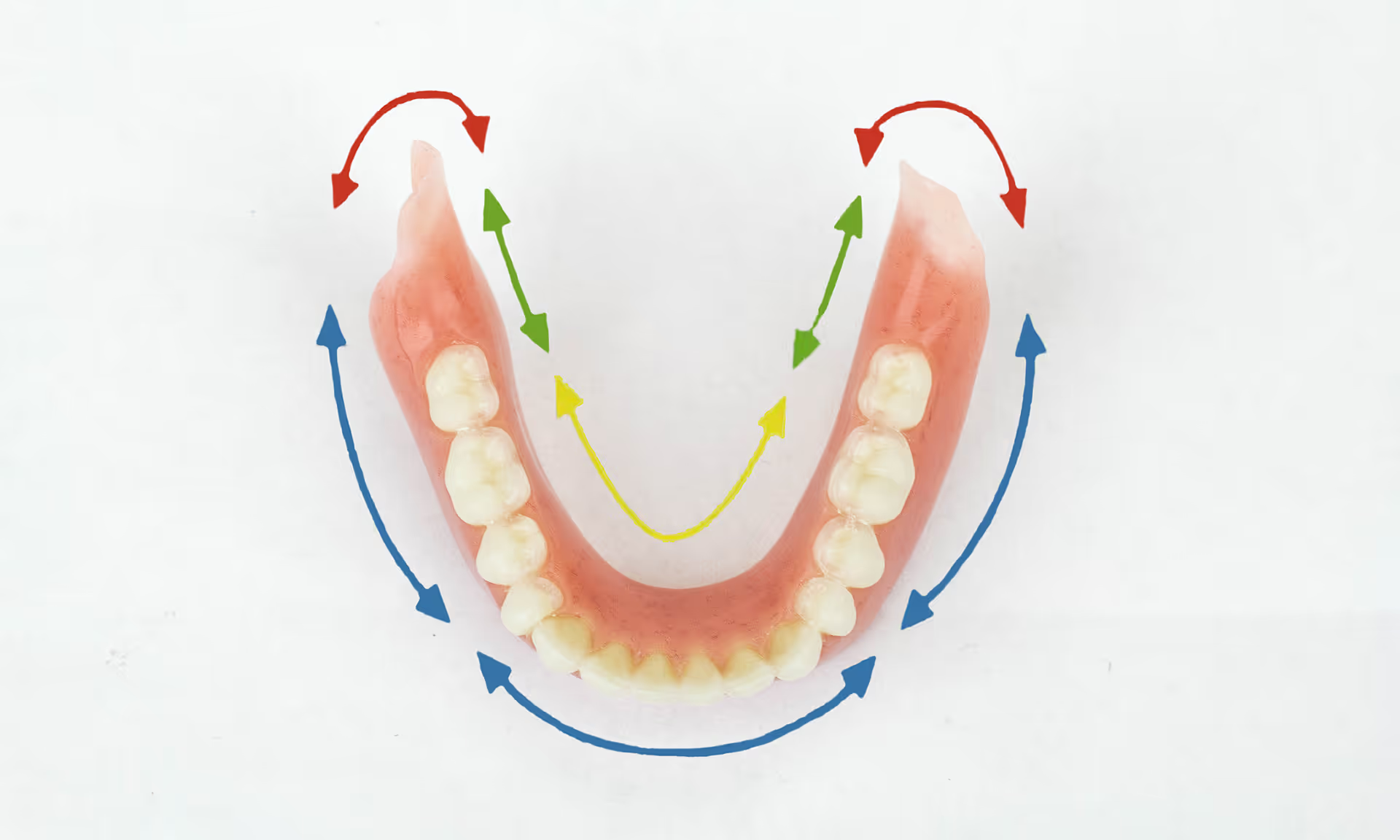
Lower dentures, however, are shaped differently.
They are designed in a horseshoe shape to allow space for tongue movement. Because they do not cover a large surface area, they rarely develop suction.
This difference leads to several challenges.
Common Problems With Lower Dentures
Lower dentures often create daily frustrations that affect eating, speaking, and overall comfort.
Common complaints include:
- Dentures slipping during meals
- Difficulty chewing certain foods
- Movement during speech
- Sore spots on gums
- Tissue irritation
- Painful ulcers
- Reduced confidence in social settings
These problems can make everyday activities feel stressful.
Many patients eventually avoid wearing their lower denture altogether because of discomfort.
Why Lower Dentures Become Loose Over Time
Even well-made dentures may become loose as time passes.
This happens because the jawbone naturally shrinks after teeth are lost.
Without tooth roots to stimulate the bone, the lower jaw gradually loses volume. As bone shrinks, dentures lose their foundation and stability.
This process may lead to:
- Increasing denture movement
- Poor fit
- Difficulty chewing
- Increased irritation
- Frequent need for adjustments
Bone loss is a natural process, but it can be managed with modern treatment options.
How Dental Implants Solve Lower Denture Problems
Dental implants provide a reliable way to stabilize lower dentures.
Instead of relying on suction, implants create a secure anchor within the jawbone.
For many patients, this small change leads to life-changing improvements.
Implant-supported dentures remain stable during eating and speaking, making daily activities much easier and more comfortable.
A Simple Solution: Two to Four Dental Implants
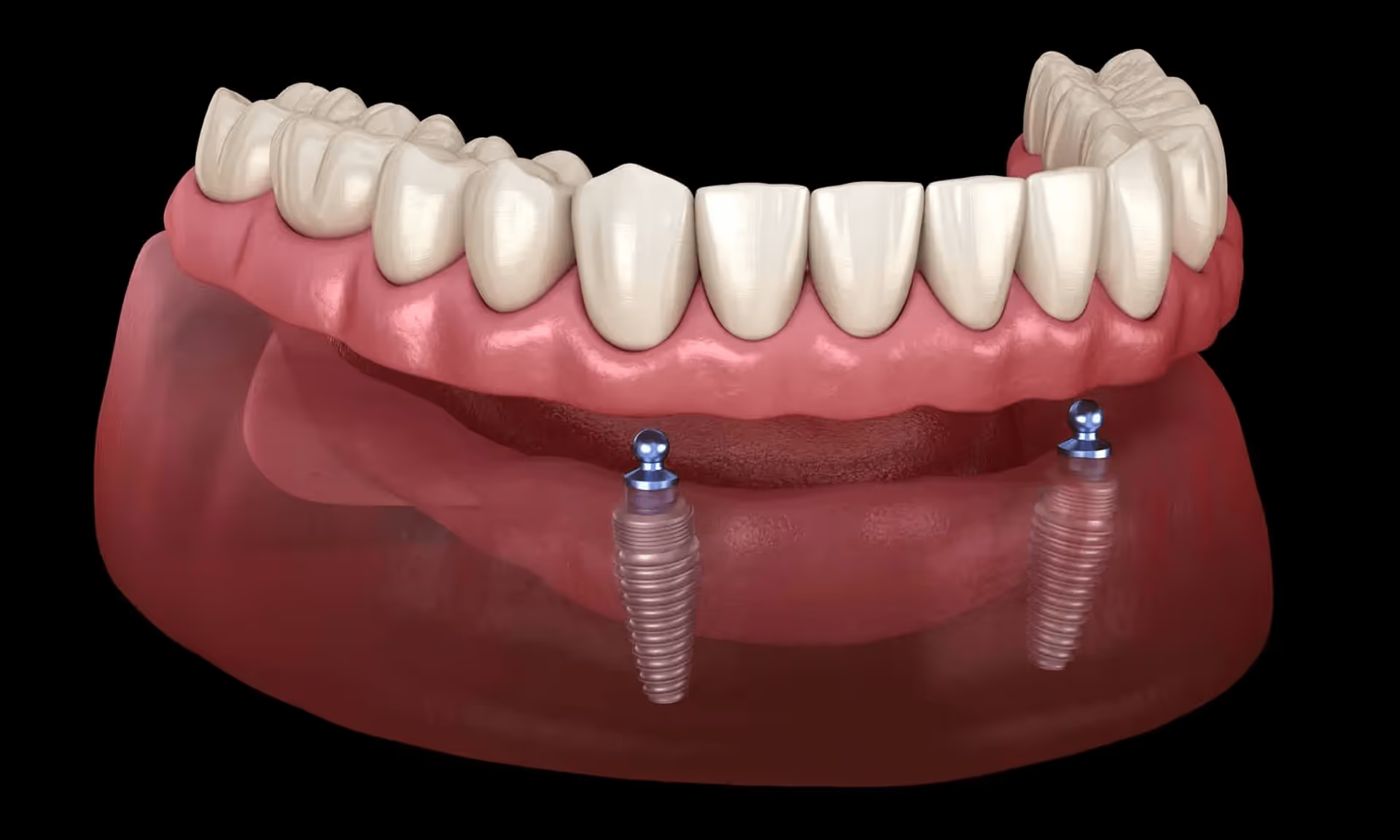
One of the most effective ways to stabilize a lower denture involves placing two to four dental implants in the lower jaw.
A common approach uses two implants placed near the area where the canine teeth once existed.
This location offers strong bone support and allows the denture to function more securely.
After placement, the implants are allowed to heal and integrate with the jawbone.
Once healing is complete, the denture can be attached using special connectors.
What Are Locator Attachments?
Locator attachments are small connection pieces used to secure dentures to implants.
They function similarly to snap buttons found on clothing.
These connectors allow the denture to snap securely into place while still being removable when needed.
Locator attachments provide:
- Secure denture retention
- Easy removal for cleaning
- Adjustable tightness
- Improved chewing stability
Many patients appreciate how simple and convenient this system feels.
Improved Comfort and Reduced Irritation
One of the most noticeable improvements with implant-supported dentures is increased comfort.
When dentures stay in place, they cause less rubbing and friction on gum tissue.
This reduces the risk of:
- Sore spots
- Ulcers
- Inflammation
- Chronic irritation
Many patients report feeling relief almost immediately after switching to implant-supported dentures.
Eating Becomes Easier and More Enjoyable
Loose dentures often limit food choices.
Patients may avoid:
- Steak
- Fresh vegetables
- Nuts
- Crunchy foods
With implant stabilization, chewing becomes more efficient.
This allows patients to enjoy a wider variety of foods and maintain better nutrition.
Improved chewing ability also supports healthier digestion.
Increased Confidence in Social Situations
Lower denture movement can create anxiety during conversations or meals.
Many patients worry about dentures slipping while speaking or laughing.
Implant-supported dentures provide greater security, which improves confidence in everyday interactions.
This emotional benefit is often just as important as the physical improvements.
Why Implant-Supported Lower Dentures Are Life-Changing
Among all dental treatments, implant-supported dentures are often considered one of the most transformative.
Even two small implants can create dramatic improvements in:
- Comfort
- Stability
- Confidence
- Eating ability
- Overall quality of life
Many patients describe this upgrade as one of the best decisions they have made for their health.
Who Is a Candidate for Implant-Supported Lower Dentures?
Many patients who wear traditional dentures are good candidates for implant stabilization.
You may be a candidate if you:
- Wear a lower denture
- Experience denture movement
- Have sore spots or irritation
- Want improved chewing ability
- Desire more confidence while speaking
Even patients who have worn dentures for many years may still qualify.
A professional dental evaluation can determine whether implants are appropriate.
What to Expect During Treatment
The process typically involves several steps.
These may include:
- Initial consultation
- Implant placement
- Healing period
- Attachment of locator connectors
- Denture stabilization
Healing time varies depending on individual factors, but most patients adapt quickly to their new, more secure denture.
Final Thoughts: A Small Change With Big Results
Lower dentures can be one of the most frustrating dental experiences for patients. Movement, discomfort, and difficulty eating can make everyday life more challenging than it needs to be.
Fortunately, dental implants offer a simple and effective solution that dramatically improves denture stability.
For many patients, placing just two implants can create meaningful changes in comfort, function, and confidence.
Patients at Organ Mountain Dental often discover that implant-supported dentures provide freedom they did not think was possible.
If you currently struggle with a loose lower denture, exploring implant options may be one of the most valuable steps you can take for your quality of life.





.png)

