



Tooth sensitivity is one of the most common concerns patients bring up during dental visits at Organ Mountain Dental. Many people experience that sudden, sharp sensation when sipping cold water or biting into ice cream, and it can range from mildly uncomfortable to surprisingly painful.
If you have ever wondered why your teeth feel sensitive or what you can do to stop it, you are not alone. Understanding what causes sensitivity and how to manage it can make a big difference in your daily comfort and long-term oral health.
What Does Tooth Sensitivity Feel Like?
Most people with sensitive teeth describe the sensation as a quick, sharp discomfort triggered by certain foods or drinks. Cold beverages are the most common culprit, but hot foods, sweets, and even cold air can also trigger sensitivity.
Typical symptoms include:
- A sharp pain when drinking cold beverages
- Discomfort when eating ice cream or cold foods
- Sensitivity that disappears within a few seconds
- Mild to moderate discomfort rather than constant pain
This type of sensitivity is very different from a toothache that keeps you awake at night or causes throbbing pain. Persistent or pulsing pain is often a sign of a more serious dental problem and should be evaluated by a dentist as soon as possible.
Why Are My Teeth Sensitive?
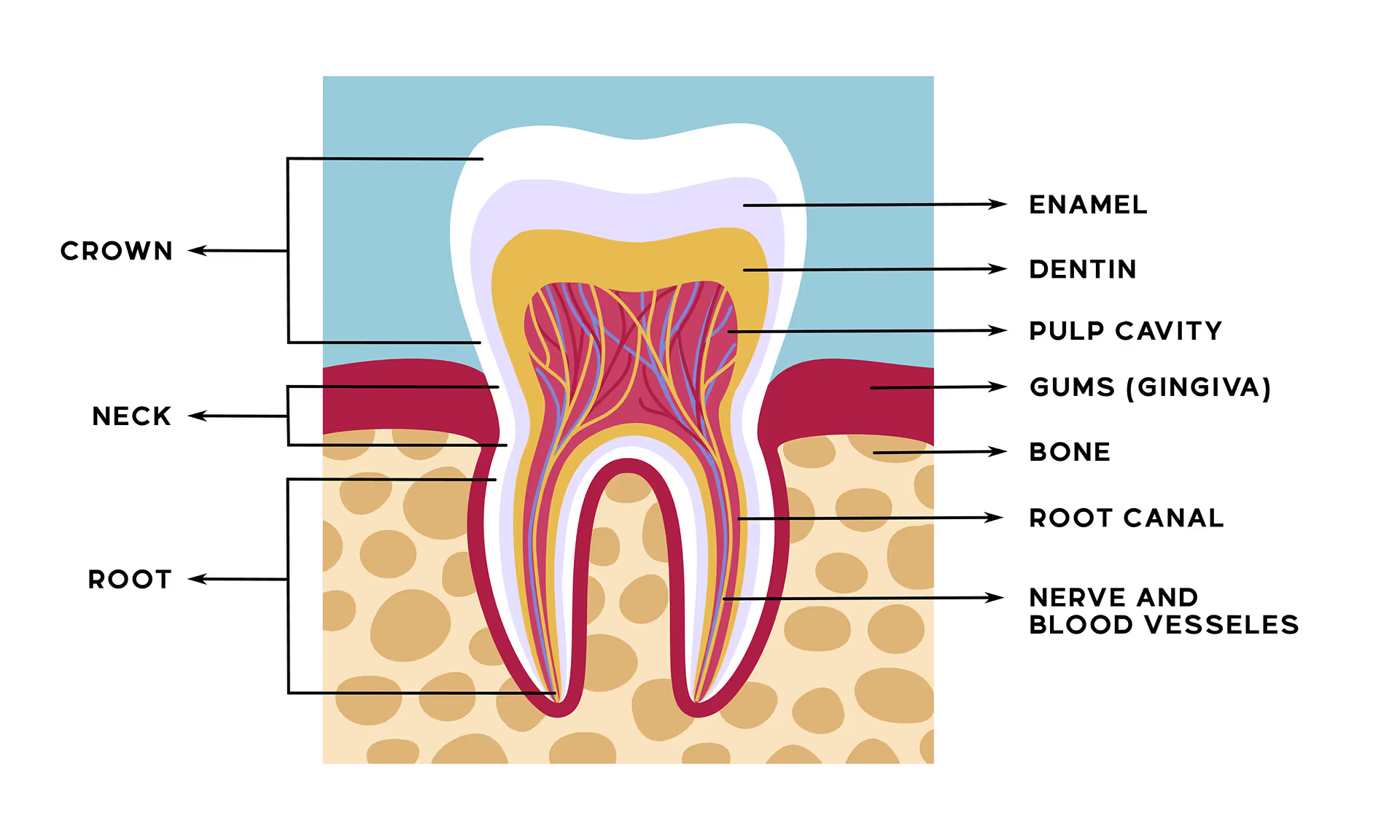
To understand tooth sensitivity, it helps to understand the structure of a tooth.
Every tooth contains a nerve in its center. Surrounding that nerve is dentin, and covering the visible portion of the tooth is enamel. Enamel is the strongest material in the human body, and it acts as a protective barrier that shields the inner layers of the tooth from temperature changes and outside irritation.
However, the root of the tooth does not have enamel protection. Instead, it is covered by a softer material that can wear away or become exposed over time. When the root becomes exposed, temperature changes can easily reach the nerve, causing sensitivity.
Several common issues can lead to exposed roots and tooth sensitivity.
Common Causes of Tooth Sensitivity
Many patients who experience tooth sensitivity have one or more of the following underlying causes.
Gum Recession
Gum recession is one of the leading causes of tooth sensitivity. When gums recede, they expose the root surface of the tooth. Without enamel protection, this exposed root becomes highly sensitive to temperature and touch.
Gum recession can happen gradually and may be caused by:
- Aggressive brushing
- Gum disease
- Natural aging
- Grinding or clenching
Even mild gum recession can lead to noticeable sensitivity.
Acid Erosion
Acid erosion slowly wears away enamel, leaving teeth vulnerable to sensitivity. Acidic foods and drinks are common contributors.
Examples include:
- Soda
- Citrus fruits
- Sports drinks
- Vinegar-based foods
Frequent exposure to acid weakens enamel and increases the risk of sensitivity over time.
Toothbrush or Toothpaste Abrasion
Brushing too hard or using the wrong products can damage your teeth.
Many people assume that brushing harder cleans better, but this is not true. In fact, excessive pressure combined with medium or hard-bristled toothbrushes can wear down enamel and irritate gums.
Highly abrasive whitening toothpastes can also contribute to sensitivity by thinning enamel over time.
Teeth Grinding (Bruxism)
Grinding or clenching your teeth, especially at night, places intense pressure on the teeth. This pressure can wear down enamel and lead to cracks or exposed dentin.
Many patients are unaware they grind their teeth until sensitivity or jaw discomfort begins.
A Simple and Cost-Effective Way to Reduce Tooth Sensitivity
If you experience tooth sensitivity, there are several simple steps that can significantly improve comfort.
Use a Soft-Bristled Toothbrush
Switching to a soft-bristled toothbrush is one of the easiest and most effective changes you can make.
Gentle brushing protects enamel and reduces gum irritation. Some modern electric toothbrushes even alert users when they apply too much pressure, which can be helpful when breaking the habit of aggressive brushing.
Choose the Right Toothpaste
Not all toothpastes are created equal when it comes to sensitivity.
Many whitening toothpastes contain ingredients that can increase sensitivity. If you experience discomfort, switching to a toothpaste designed for sensitive teeth can make a noticeable difference.
Look for toothpastes that contain:
- Potassium nitrate
- Fluoride
Potassium nitrate helps calm the nerve inside the tooth, while fluoride strengthens enamel and protects against decay.
Combining Potassium Nitrate and Fluoride for Better Results
One of the most effective strategies for reducing tooth sensitivity involves using two different types of toothpaste at different times of the day.
A common recommendation includes:
- Using a potassium nitrate toothpaste in the morning
- Using a prescription-strength fluoride toothpaste at night
This combination helps strengthen enamel while calming sensitive nerves. Many patients notice significant improvement within just a few weeks of consistent use.
Most major toothpaste brands offer sensitivity formulas that contain potassium nitrate, so it is usually easy to find an option that fits your preferences.
If sensitivity persists, your dentist may recommend a prescription toothpaste containing neutral sodium fluoride for added protection.
When Tooth Sensitivity May Require Professional Treatment
While many cases of sensitivity improve with at-home care, some situations require professional dental treatment.
If your sensitivity remains severe or does not improve after several weeks, your dentist may recommend additional options.
Nightguards for Teeth Grinding
If grinding is contributing to your sensitivity, a custom nightguard may be recommended.
Nightguards protect teeth from excessive pressure during sleep and reduce enamel wear. Many patients experience significant relief once grinding is controlled.
In-Office Treatments for Severe Sensitivity
In rare cases, exposed roots may require professional treatment.
These treatments may include:
- Protective varnishes
- Tooth-colored composite fillings
- Other protective coatings
These solutions help seal exposed root surfaces and reduce sensitivity quickly.
How to Prevent Tooth Sensitivity in the Future
Prevention is often easier than treatment when it comes to tooth sensitivity.
Healthy habits can protect enamel and gums for years to come.
Recommended prevention strategies include:
- Brushing gently with a soft toothbrush
- Avoiding overly abrasive toothpaste
- Limiting acidic foods and beverages
- Wearing a nightguard if recommended
- Visiting your dentist regularly
Routine dental checkups allow early detection of gum recession, enamel wear, and other risk factors before they become serious problems.

When Should You See a Dentist About Tooth Sensitivity?
Mild sensitivity that comes and goes is common, but persistent or worsening discomfort should not be ignored.
Schedule a dental visit if you experience:
- Severe sensitivity
- Pain that lasts longer than a few seconds
- Sensitivity that worsens over time
- Pain that wakes you at night
- Visible gum recession
Professional evaluation ensures that underlying problems such as cavities, fractures, or gum disease are not overlooked.
Final Thoughts on Sensitive Teeth
Tooth sensitivity can be frustrating, but it is also highly manageable in most cases. With the right brushing techniques, proper toothpaste, and professional guidance when needed, many patients find long-lasting relief.
If sensitivity is affecting your daily comfort, taking action early can prevent further enamel loss and protect your long-term oral health.
At Organ Mountain Dental, patient education is an important part of care. Understanding what causes sensitivity and how to treat it empowers patients to maintain healthier, more comfortable smiles.





.png)

