


Tooth pain can strike at any time, and when it does, it often causes worry and uncertainty. Many patients wonder whether their tooth pain is something that can wait or if it requires immediate attention.
At Organ Mountain Dental, helping patients understand their symptoms is a top priority. While some toothaches can be managed with scheduled care, others may require urgent treatment to prevent serious complications.
Understanding the common causes of tooth pain and knowing when to act quickly can make all the difference in protecting your oral health.
What Is Considered a Dental Emergency?
Not every toothache is an emergency, but certain symptoms should never be ignored.
A dental emergency typically involves:
- Severe or worsening pain
- Swelling in the gums or face
- Fever associated with tooth pain
- Trauma to the teeth
- Bleeding that does not stop
- Difficulty chewing or opening the mouth
If pain becomes intense, persistent, or spreads beyond the tooth, immediate dental care may be necessary.
Mild sensitivity or occasional discomfort, on the other hand, may not require same-day treatment but should still be evaluated soon.
Common Causes of Toothaches
There are several common reasons why tooth pain develops. Identifying the cause helps determine the appropriate treatment and urgency.
Broken or Fractured Teeth
A cracked or fractured tooth is one of the most frequent causes of tooth pain. Even small cracks can expose sensitive inner layers of the tooth.
Symptoms
Patients with fractured teeth often experience:
- Sensitivity to hot or cold
- Pain when biting down
- Discomfort when exposed to air
- Sharp pain during chewing
Sometimes cracks are not visible to the eye but still cause significant discomfort.
Triggers
Pain typically occurs when:
- Eating hard foods
- Drinking hot or cold beverages
- Biting or chewing
Treatment
Treatment depends on the severity of the crack and may include:
- Tooth-colored filling
- Dental crown
- Root canal treatment (if the nerve is affected)
Urgency
Quick treatment is strongly recommended. Delaying care may allow the crack to worsen, leading to more extensive damage.
Gum Disease (Periodontal Disease)
Gum disease is another common cause of tooth discomfort. In many cases, pain develops gradually rather than suddenly.
Symptoms
Signs of gum disease may include:
- Dull aching pain
- Bleeding gums
- Swollen or tender gums
- Gum recession
- Loose teeth
Because symptoms can be mild at first, gum disease often goes unnoticed until it becomes more advanced.
Triggers
Pain may worsen when:
- Chewing food
- Pressing on the gums
- Brushing or flossing
Treatment
Treatment typically involves:
- Deep cleaning (scaling and root planing)
- Periodontal therapy
- Improved oral hygiene routines
Urgency
This condition is usually not an emergency, but early treatment is important to prevent tooth loss.
Failing Dental Work
Dental restorations such as fillings and crowns do not last forever. Over time, they may loosen, crack, or wear down.
When dental work begins to fail, bacteria can enter small gaps and cause irritation or decay.
Symptoms
Common symptoms include:
- Pain when chewing
- Sensitivity to hot or cold
- Discomfort only when stimulated
- Sudden changes in bite comfort
Triggers
Pain often occurs when:
- Eating chewy or hard foods
- Drinking hot or cold beverages
Treatment
Treatment typically involves:
- Replacing old fillings
- Repairing crowns
- Treating underlying decay
Urgency
This situation is not usually considered an emergency, but it should be addressed soon to prevent further complications.
Teeth Grinding (Bruxism)
Teeth grinding is a common but often unnoticed cause of tooth pain. Many people grind their teeth during sleep without realizing it.
Over time, grinding wears down enamel and stresses the jaw joints.
Symptoms
Grinding may cause:
- Jaw soreness
- Tooth sensitivity
- Headaches
- Facial muscle fatigue
- Multiple sore teeth
Triggers
Grinding often occurs during:
- Sleep
- Periods of stress
- High-pressure situations
Treatment
Treatment options may include:
- Custom nightguards
- Stress management strategies
- Bite adjustments
Urgency
Grinding is not typically an emergency but should be evaluated to prevent long-term damage.
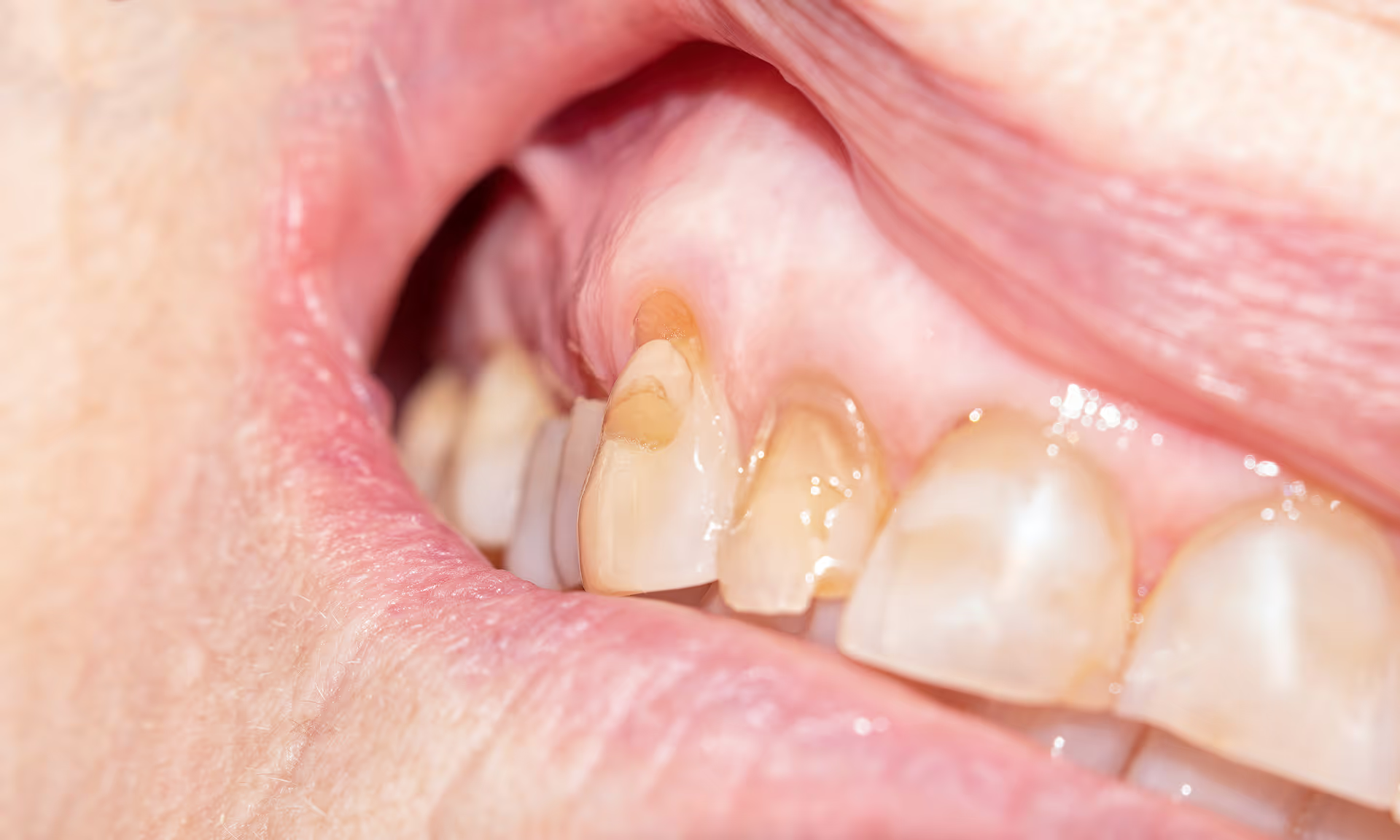
Additional Causes of Tooth Pain That May Require Urgent Care
While the previous causes are common, some toothaches are linked to more serious dental conditions.
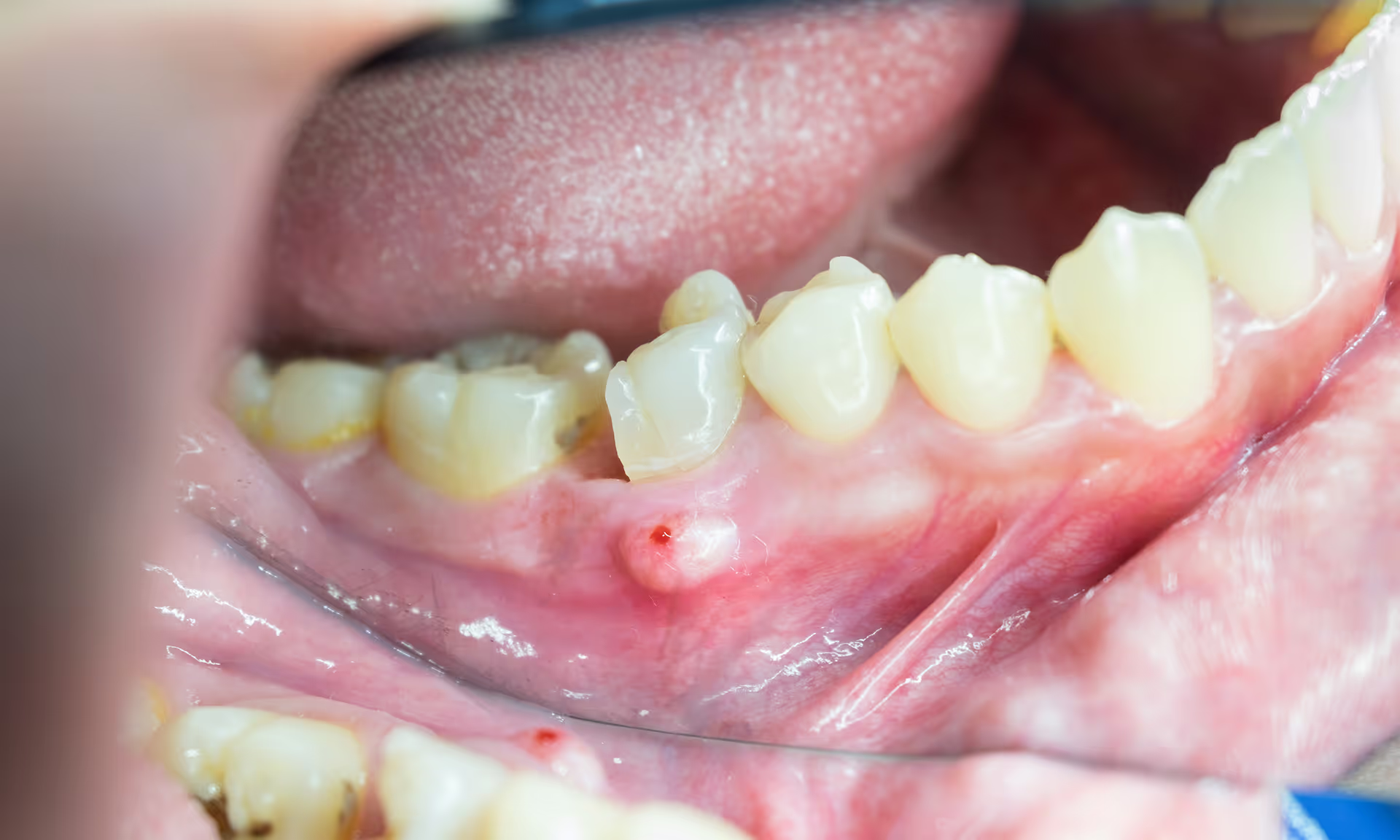
Tooth Infection or Abscess
A tooth abscess is a serious infection that forms near the root of a tooth.
Symptoms may include:
- Severe throbbing pain
- Swelling in the face or jaw
- Fever
- Bad taste in the mouth
- Sensitivity to pressure
This condition requires immediate dental attention and may require a root canal or extraction.
Ignoring an abscess can allow infection to spread, making prompt care essential.
Severe Tooth Decay
Untreated cavities can grow deeper into the tooth and eventually reach the nerve.
Symptoms may include:
- Persistent toothache
- Sensitivity to sweets
- Pain that lingers after eating
Early treatment can prevent the need for more extensive procedures.
When Should You Seek Immediate Dental Care?
Knowing when to seek emergency care can prevent complications and relieve pain quickly.
Seek immediate care if you experience:
- Severe, constant tooth pain
- Swelling in the face or jaw
- Fever with tooth pain
- Broken tooth with severe pain
- Trauma to the mouth
- Difficulty swallowing or breathing
These symptoms should never be ignored.
What to Do If Tooth Pain Happens After Hours
Toothaches often happen outside regular office hours, which can make the situation feel even more stressful.
If pain becomes severe after hours:
- Rinse your mouth with warm saltwater
- Take over-the-counter pain medication if appropriate
- Avoid chewing on the affected side
- Contact your dental office for guidance
Many dental practices provide after-hours instructions for urgent situations.
Preventing Toothaches Before They Start
Preventive care is one of the most effective ways to avoid dental emergencies.
Helpful prevention habits include:
- Brushing twice daily
- Flossing daily
- Visiting the dentist regularly
- Wearing a nightguard if recommended
- Addressing small problems early
Routine dental visits allow early detection of cracks, decay, and gum disease before they cause pain.
Final Thoughts: Do Not Ignore Tooth Pain
Tooth pain is your body's way of signaling that something is wrong. While not every toothache is an emergency, many dental problems worsen when left untreated.
Early evaluation allows faster treatment, reduces discomfort, and helps preserve your natural teeth whenever possible.
If you are experiencing persistent tooth pain, seeking professional dental care is the safest way to protect your oral health.





.png)

