


Mountain biking is an exciting way to enjoy the outdoors, especially in areas surrounded by beautiful desert landscapes and trails. However, like many outdoor sports, it comes with the risk of falls and injuries. When a crash happens, dental trauma is more common than many riders realize.
At Organ Mountain Dental, helping patients respond quickly to dental injuries is an important part of protecting long-term oral health. Knowing what to do in the minutes after a crash can often mean the difference between saving a tooth and losing it.
Whether you are an experienced rider or new to mountain biking, understanding how to respond to dental trauma can help you stay prepared.
Why Mountain Biking Can Lead to Dental Injuries
Mountain biking often involves uneven terrain, sharp turns, and sudden obstacles. Even experienced riders can lose control, especially when riding downhill or navigating technical trails.
Common causes of dental injuries during mountain biking include:
- Falls over handlebars
- Collisions with rocks or trees
- Losing balance on steep terrain
- Slipping during turns
- Impact to the face during crashes
When the face or mouth strikes the ground or handlebars, teeth may crack, loosen, or become completely dislodged.
Wearing protective gear, especially helmets and mouthguards, significantly reduces the risk of severe injury.
You Crash and Break a Portion of Your Tooth
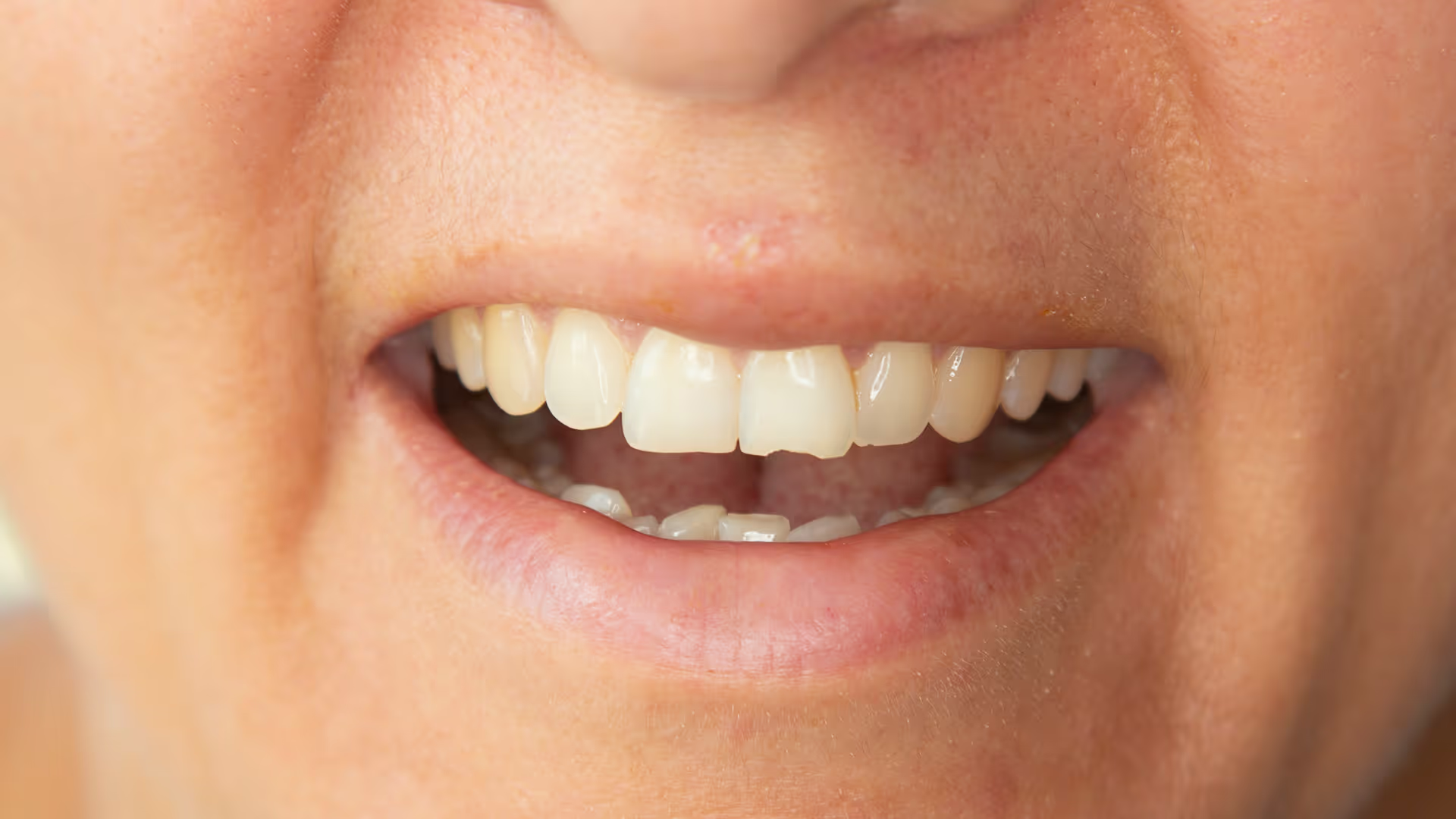
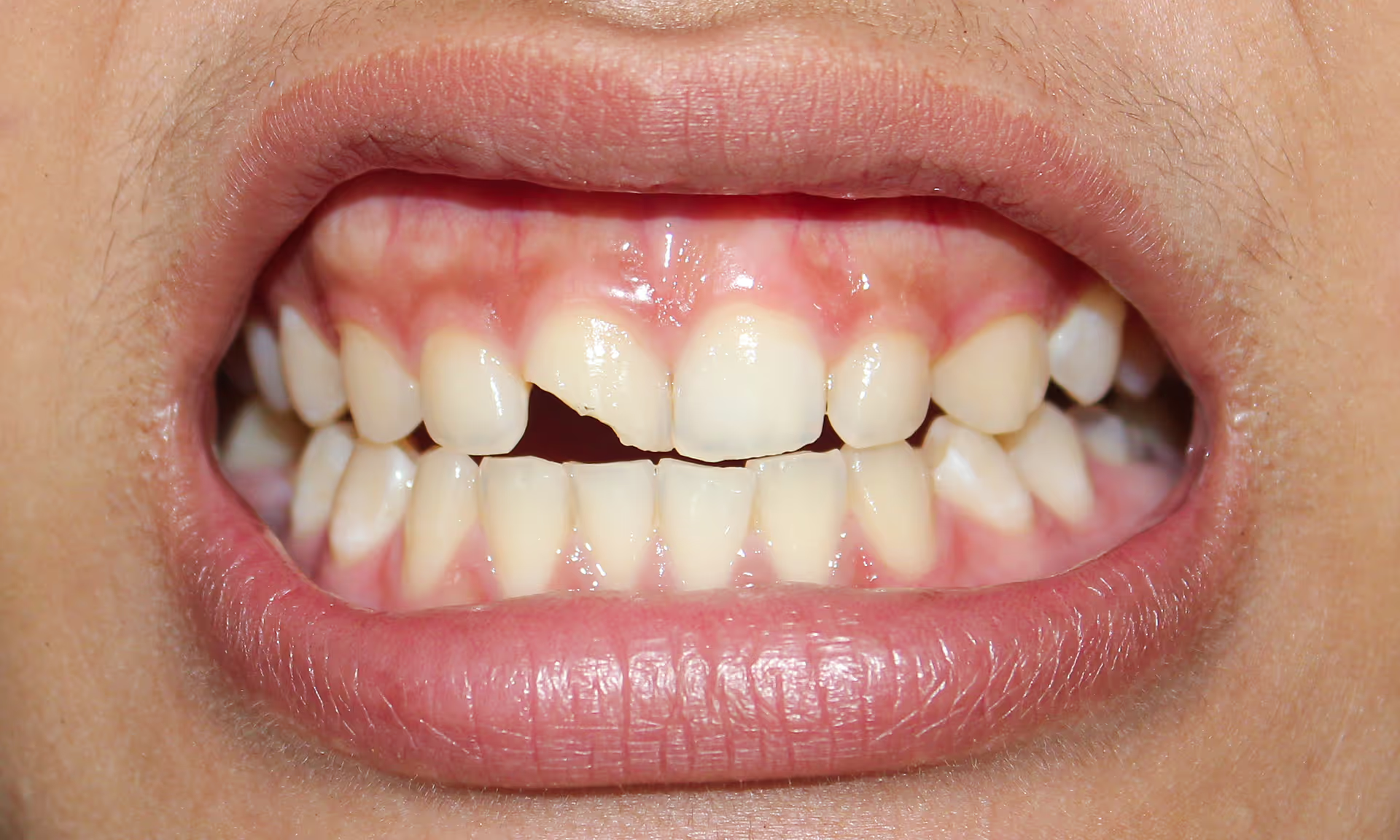
A chipped or fractured tooth is one of the most common dental injuries after a crash.
What to Do Immediately
If you break part of a tooth:
- Look for the broken fragment
- Save the fragment if possible
- Call a dentist right away
- Avoid chewing on the affected side
If the fragment is recovered quickly, there is a good chance it can be bonded back onto the tooth.
If you notice blood coming from the center of the tooth, this usually indicates nerve involvement. In these cases, a root canal or extraction may be required.
Early treatment is extremely important because delays may cause the tooth to darken or become infected.
You Crash and Break a Tooth at the Gumline
Breaking a tooth at the gumline is a more serious injury. These types of fractures often cannot be repaired with a simple filling.
Possible Treatment Options
Treatment may include:
- Tooth extraction
- Dental implant placement
- Temporary restoration
- Long-term replacement options
When front teeth are involved, placing a dental implant immediately after extraction is often recommended. This helps preserve the natural bone structure and gum shape, which improves long-term cosmetic results.
Your Tooth Feels Slightly Loose After a Crash
Sometimes a tooth may feel loose even though it does not appear broken.
This usually occurs when the tooth experiences trauma but remains intact.
What to Do
If your tooth feels loose but is not displaced:
- Eat soft foods for 1 to 2 weeks
- Avoid biting into hard foods
- Monitor the tooth closely
- Schedule a dental visit if pain develops
In many cases, the tooth tightens naturally over time.
However, if the tooth begins to ache, becomes more mobile, or changes color, professional evaluation is necessary.
Your Teeth Are Displaced but Not Knocked Out
When teeth shift out of position but remain in the socket, immediate dental care is critical.
These injuries are time-sensitive.
What to Do Immediately
If teeth appear out of position:
- Call a dentist immediately
- Avoid touching or moving the teeth
- Seek professional repositioning as soon as possible
Dentists typically reposition displaced teeth and stabilize them using splints.
Although repositioning can save the tooth, root canal treatment may still be necessary later. In many cases, it takes several weeks to determine whether the nerve inside the tooth survives.
Quick treatment significantly increases the chance of saving the tooth.
You Knock an Adult Tooth Completely Out
A knocked-out tooth is one of the most urgent dental emergencies.
Time plays a critical role in saving the tooth.
What to Do Immediately
If an adult tooth is completely knocked out:
- Locate the tooth quickly
- Handle the tooth only by the crown (not the root)
- Rinse gently with saliva if dirty
- Do not use tap water
- Place the tooth back into the socket if possible
- Call a dentist immediately
If you cannot place the tooth back in the socket, store it in saliva or milk and seek dental care right away.
Replanting the tooth within the first hour dramatically improves the chances of success.
Even after reinserting the tooth, you must still see a dentist to stabilize it properly.
Why Time Matters in Dental Trauma
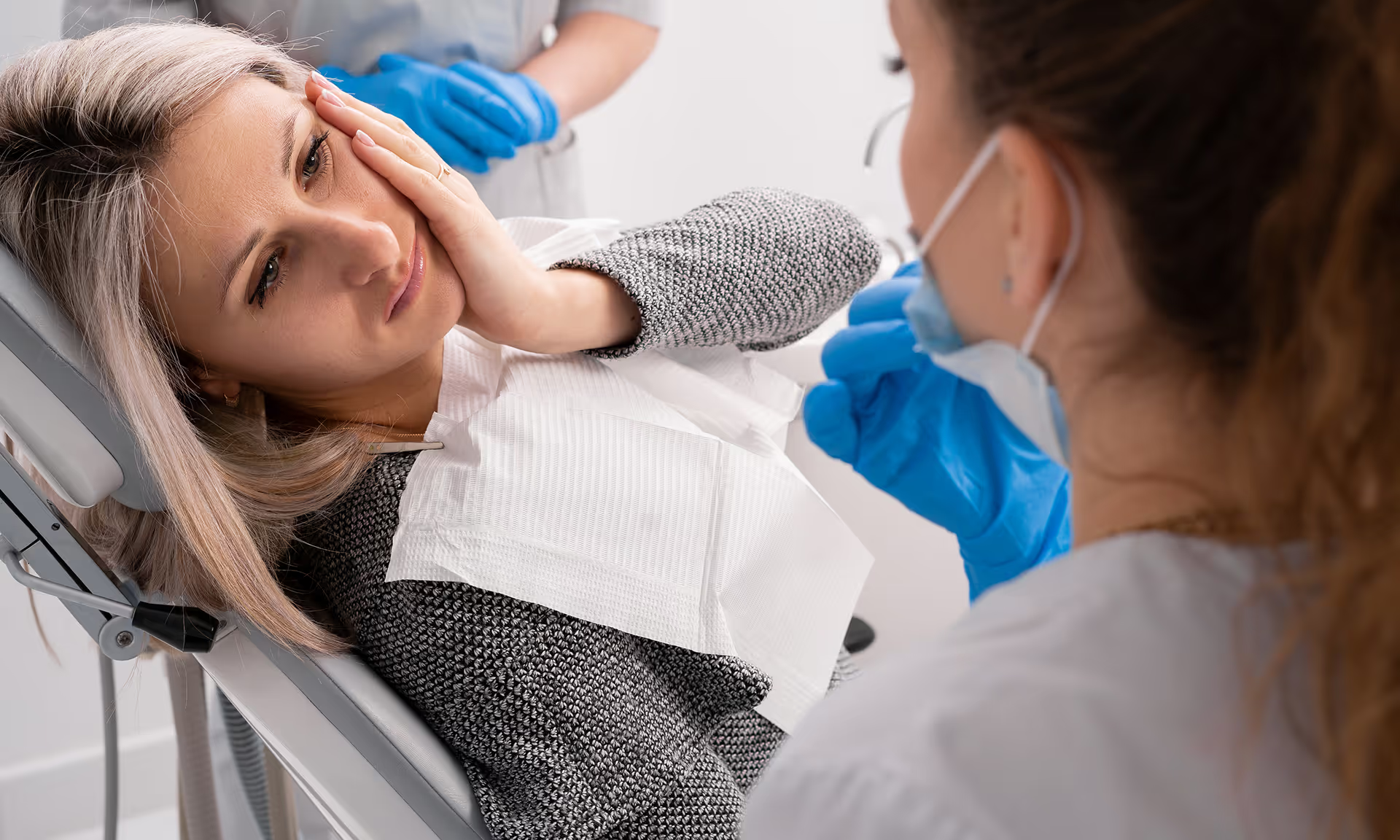
One of the most important factors in dental trauma recovery is timing.
Delaying treatment can lead to:
- Tooth discoloration
- Infection
- Tooth loss
- Bone loss
- Increased treatment complexity
Immediate care often results in simpler procedures and better outcomes.
Even if pain seems mild, trauma should not be ignored.
Preventing Dental Injuries While Mountain Biking
While accidents cannot always be avoided, prevention strategies can reduce risk.
Wear a Helmet
Helmets provide essential protection for the head and face.
They reduce the severity of impact injuries and are one of the most effective safety tools available.
Consider Wearing a Mouthguard
Mouthguards help absorb impact forces and protect teeth from fractures.
Custom mouthguards provided by a dentist offer the best fit and protection.
Ride Within Your Skill Level
Many injuries occur when riders attempt terrain beyond their experience level.
Practicing skills gradually improves control and reduces crash risk.
Stay Aware of Trail Conditions
Loose gravel, wet surfaces, and obstacles increase fall risk.
Always assess trail conditions before riding.
When Should You See a Dentist After a Crash?
Even if the injury seems minor, dental trauma should always be evaluated.
You should schedule a dental visit if:
- A tooth is chipped or cracked
- A tooth feels loose
- Teeth appear out of position
- Pain develops after impact
- You experience swelling
Some damage is not visible immediately, which is why evaluation is important.
Final Thoughts: Ride Safe and Protect Your Smile
Mountain biking offers incredible outdoor experiences, but dental injuries can happen when least expected.
Knowing how to respond quickly to dental trauma can protect your smile and prevent long-term complications.
Taking simple precautions such as wearing helmets, using mouthguards, and seeking prompt dental care can make a significant difference in recovery.
At Organ Mountain Dental, patient safety and fast response to dental emergencies remain a top priority.
Ride safe, stay prepared, and always protect your smile.





.png)

